
December 22 – 29, 2026
FULL – See our Trinidad Christmas departure!
-
$4590 DBL / $5150 SGL
-
Juan Santamaria International Airport (SJO) in San Jose
-
Juan Santamaria International Airport (SJO) in San Jose
-
A Birder’s Pace
We walk at a birder’s pace, fewer than four miles a day, with breaks along the way.
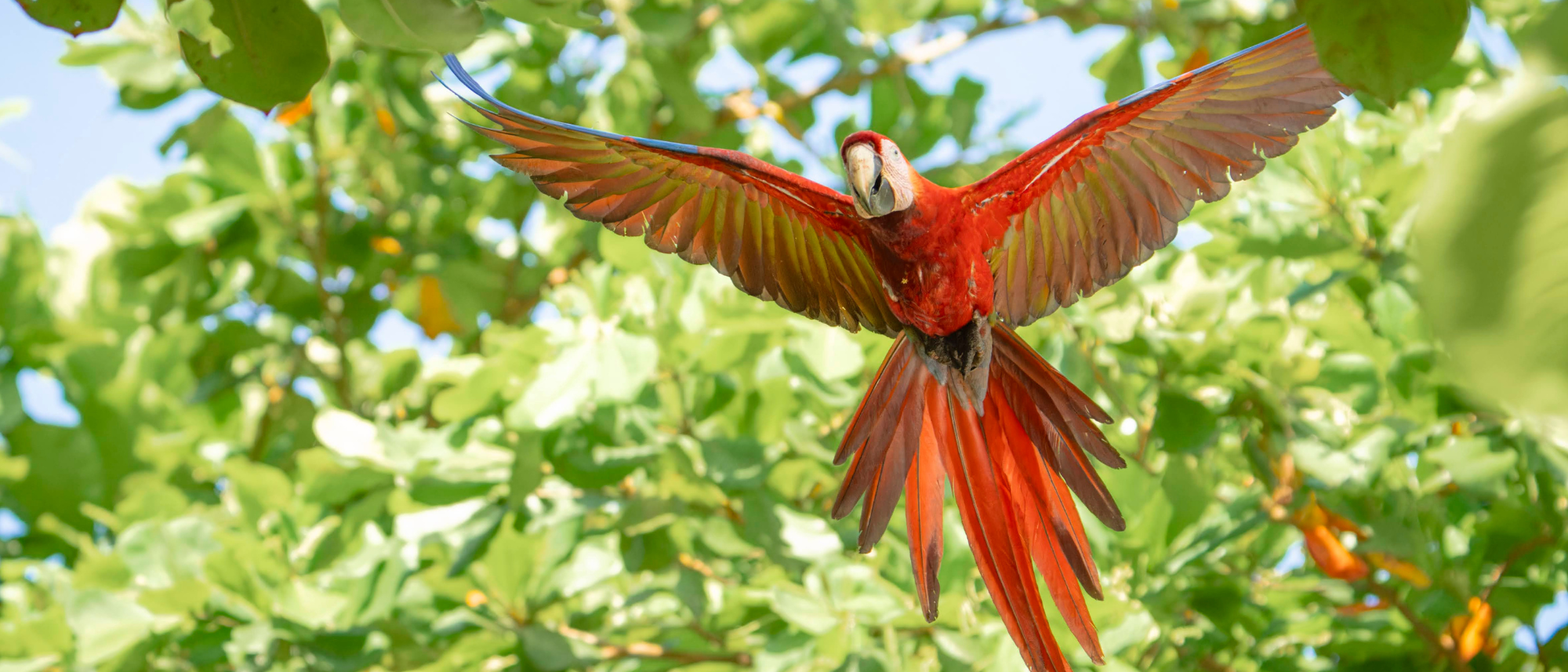
Few places rival Costa Rica’s ecological diversity. Over a quarter of the country is a national park, wildlife refuge, biological reserve, or protected area. And for good reason: Costa Rica boasts 850 bird species, 208 mammal species, 50,000 insect species, and 2,000 orchids. Because of this rich diversity, Costa Rica has remained at the top of our list for traveler satisfaction, with talented guides, superb nature lodges, and fabulous birds and mammals.
This December, we invite you to celebrate the holiday season with us on an carefully-crafted weeklong tour. On this journey we traverse the Continental Divide, from lowland rainforest to cloud forest. Glide down a river looking for secretive birds such as Sunbittern and Green Ibis, several species of kingfisher, Green Iguana, and Mantled Howler Monkey. Relax at a mountain lodge and witness Northern Emerald-Toucanet and Collared Whitestart in the wild Savegre Valley, a special place where Resplendent Quetzal nest and American Dipper feed in the rushing stream.
We spend several of our days on both the Caribbean and Pacific sides of the Continental Divide, with excellent field time in the highlands and lowlands. We can search for fabulous birds and mammals, have fun, taste local foods, and have time for photography if you like. We enjoy sharing in Costa Rican customs while we experience our hosts’ exceptional hospitality.
Highlights
- Enjoy bright, birdy gardens right from our San José hotel
- Immerse in the stunning Savegre Valley, realm of the Resplendent Quetzal
- Explore the Caribbean side of the Continental Divide from Hotel Quelitales, home to nearly 400 species of birds
- Spend a morning in Tapanti National Park deep in the lush cloud forest
- Bird the private reserve at Rancho Naturalista
Trip Itinerary
Itineraries are guidelines; variations in itinerary may occur to account for weather, road conditions, closures, etc. and to maximize your experience.
Tues., Dec. 22 Arrivals in San José
How about Christmas in Costa Rica! Get ready for a festive time as you land in San José where you are met at the airport for a private transfer to our hotel. Those arriving in time can enjoy a welcome dinner with fellow traveling companions and your guide. Those that arrive later than dinner have a snack tray on arrival.
Accommodations at Hotel Bougainvillea (D)
Wed., Dec. 23 – Fri., Dec. 25 Savegre Lodge
After breakfast we depart for Cerro de la Muerte (Mountain of Death), part of the Talamanca Mountains. These 11,000 foot peaks in view were named for early explorers who, traveling on foot or by mule, risked dying of hunger, exposure, or storms. Today our road is modern, a part of the Pan-American Highway.
As we reach the often cloud-enshrouded summit, we stop at the family-run cloud-forest reserve, Paraíso de Quetzales. Here we walk lush forest trails in search of Costa Rica’s most famous and elegant bird, the Resplendent Quetzal. Walking the cloud forest trails, we often find a host of other species as well. We then descend into the stunning valley of the Savegre River, a true realm of the Resplendent Quetzal!
Our lodge is situated at a cool 7,000 feet above sea level in an isolated and idyllic valley near the town of San Gerardo de Dota. As we descend into the valley we find a mix of pristine forest, hillside farms, and fantastic views. We stop for photographs and to see what’s in bloom along the way.
Over forty years ago, Sr. Ephraim Chacon and his brother opened a road and began a dairy farm and apple orchard in this remote Talamanca Mountain valley. Today several lodges settle naturally into the landscape here, a prime destination for birders. After settling in to our accommodations, we walk one of the lodge’s nature trails, learning about the flora and fauna of the tropical cloud forest. With luck, we spot an American Dipper feeding in the rushing trout stream! Enjoy a lovely meal tonight at the lodge’s restaurant.
We have two and a half days to explore this lovely realm, taking our time and getting know the birds and the forest trails. We enjoy excellent views of these beautiful Talamanca Range forests and their fantastic residents, like Flame-throated Warbler, Flame-colored Tanager, Long-tailed Silky-Flycatcher, Black Guan, and Northern Emerald-Toucanet. Throughout the valley, various trails lead to waterfalls, secluded canyons, and mountain vistas; several options are available to us.
Resplendent Quetzal are found in this valley year-round, and we often spot them near a favorite fruiting tree where several males may congregate. On trails that wind past rivers and lakes, we look for Collared Trogon, Collared and Slate-throated Whitestart, Large-footed Finch, and Sooty Robin.
Montane oak forest dominates the area, including magnificent oaks like Wild Brazilleto, Winter’s Bark Tree, and Cipresillo. We take a stab at identifying them and then simply admire the hundreds of species of bromeliads, lichens, mosses, ferns, and the multitude of orchids and colorful flowers. Locals raise fruit on the hillsides and farm trout in small ponds.
For those that wish, a loop hike can be made up and around a ridgeline above the lodge.
Accommodations at Savegre Lodge (B,L,D)
Sat., Dec. 26 & Sun., Dec. 27 Selva Verde
Today we continue on to the Caribbean lowlands. We enjoy lunch along the way at a local restaurant and, once settled in at our hotel, we visit local birding hotspots around this lovely community. Many private gardens attract a rich array of hummingbirds, and having changed elevation, many species, particularly of colorful tanagers, are new.
The La Selva Biological Station is one of the premier tropical research stations in the world. Trails wind between laboratories and researchers’ residences, and then fan out to primary and secondary forests where nature abounds. Lowland rainforest is particularly diverse here, as the property is located near the confluence of two major rivers—the Rio Puerto Viejo and the Sarapiqui. The reserve is nearly 4,000 acres and connects to a forest corridor that ascends up through nearby Braulio Carrillo National Park, providing links to middle and higher elevations.
La Selva comprises 1,600 hectares (3,900 acres) of tropical wet forests and disturbed lands. Four major tropical life zones define the contiguous corridor now protecting a large portion of Costa Rica’s biodiversity. Recorded here are more than half of Costa Rica’s almost 900 species of birds, 1850 species of vascular plants, and a rich array of mammals, insects, reptiles, and amphibians. Each year, La Selva’s Christmas Bird Count is among the highest in numbers.
On trails near the Sarapiqui River we hope to see the beautiful Agami Heron and perhaps an elusive Sungrebe. Some of the other elusive species we may find include Great Curassow, Great or Slaty-breasted Tinamous, Great Potoo, and possibly Bare-necked Umbrellabird. We should see Crimson-collared and Golden-hooded Tanagers, Rufous Motmot, endemic Black-cheeked Woodpecker, beautiful Snowy Cotinga, and, high on thermals above, King Vulture. Pied Puffbird and Great Jacamar are sit-and-wait predators that dart from perches to capture large insects. Orange-billed Sparrow are gaudy denizens of the forest floor.
Butterfly enthusiasts, prepare to be amazed at all the species, including several large electric-blue Morphos. Central American Agouti and White-nosed Coati are mammals we often find.
In the late afternoon, we venture out on the Sarapiqui River for a boat trip; late afternoon is a great time to find secretive birds like Sunbittern, Green Ibis, Fasciated Tiger-Heron, several kingfishers, herons, and egrets. Yellow-naped and White-crowned Parrots make raucous noise overhead, joined by the smaller Olive-throated Parakeet. It’s beautiful to be out on the water where the temperature is cool and views of the mountains are spectacular.
Accommodations at Selva Verde (B,L,D)
Mon., Dec. 28 Tapirus Lodge
We depart early this morning for Braulio Carrillo National Park, where views of the rain forest are incredible. Although there are few trails in this massive park, the Quebrada Gonzalez Trail is a decidedly rich and productive one. Fast-moving feeding flocks, often led by Black-faced Grosbeak, can contain a host of striking and local species such as Streak-crowned Antvireo, Black-and-yellow Tanager, and Blue-and-gold Tanager.
Away from such flocks, we also keep a sharp eye out for the animated White-ruffed Manakin and majestic Ornate Hawk-Eagle. Crowned Woodnymph, Silver-throated Tanager, and Golden-hooded Tanager may also make an appearance.
We enjoy lunch at a local spot and before we check into our lodge. Walk the lodges trails and then later enjoy the opportunity to see two dainty, near-endemic hummingbirds: Black-crested Coquette and Snowcap at the amazing hummingbird garden at the tram site. With luck a territorial Snowcap will be chasing off a Violet-headed Hummingbird or a Crowned Woodnymph — wow! Cap off the Christmas week with a fun aerial tram ride before a celebratory dinner and a final recap of our species list.
Accommodations at Tapirus Lodge at the Rainforest Tram (B,L,D)
Tues., Dec. 29 Departures
Enjoy good coffee and breakfast, but then it’s time to pack up as we have a 1.5 hour drive from Tapirus to the International Airport in San Jose. Remember we need to be there three hours ahead of flights so plan to fly out after NOON please. (B)
Guide
Chris Harbard
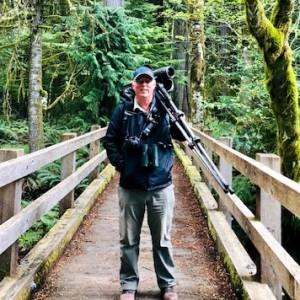
Chris Harbard is a well-known British ornithologist and conservationist who now lives in SE Arizona. After 24 years working with the world’s largest bird conservation organisation, the Royal Society for the Protection of Birds, he moved to the Austrian optics company Swarovski and managed their birdwatching website for several years. He is now a freelance author, editor, broadcaster and lecturer, as well as an occasional bird guide in SE Arizona where he and his wife help to run the Southwest Wings Birding and Nature Festival. He is on the board of the Arizona Field Ornithologists.
Chris writes for Birdwatch magazine and was editor of the Birdwatchers’ Guides series of books. His own books include Birdwatch, Songbirds, A Birdwatcher’s Quizbook, A First Guide to Birdwatching.
Working as a naturalist lecturer on board expedition cruise ships for the last eighteen years has taken him to remote areas of the Arctic, Antarctic, Atlantic and Pacific. Although his main area of interest is birds, especially seabirds, he also enjoys a range of other wildlife such as cetaceans, butterflies, dragonflies and plants.
Other trips with Chris Harbard
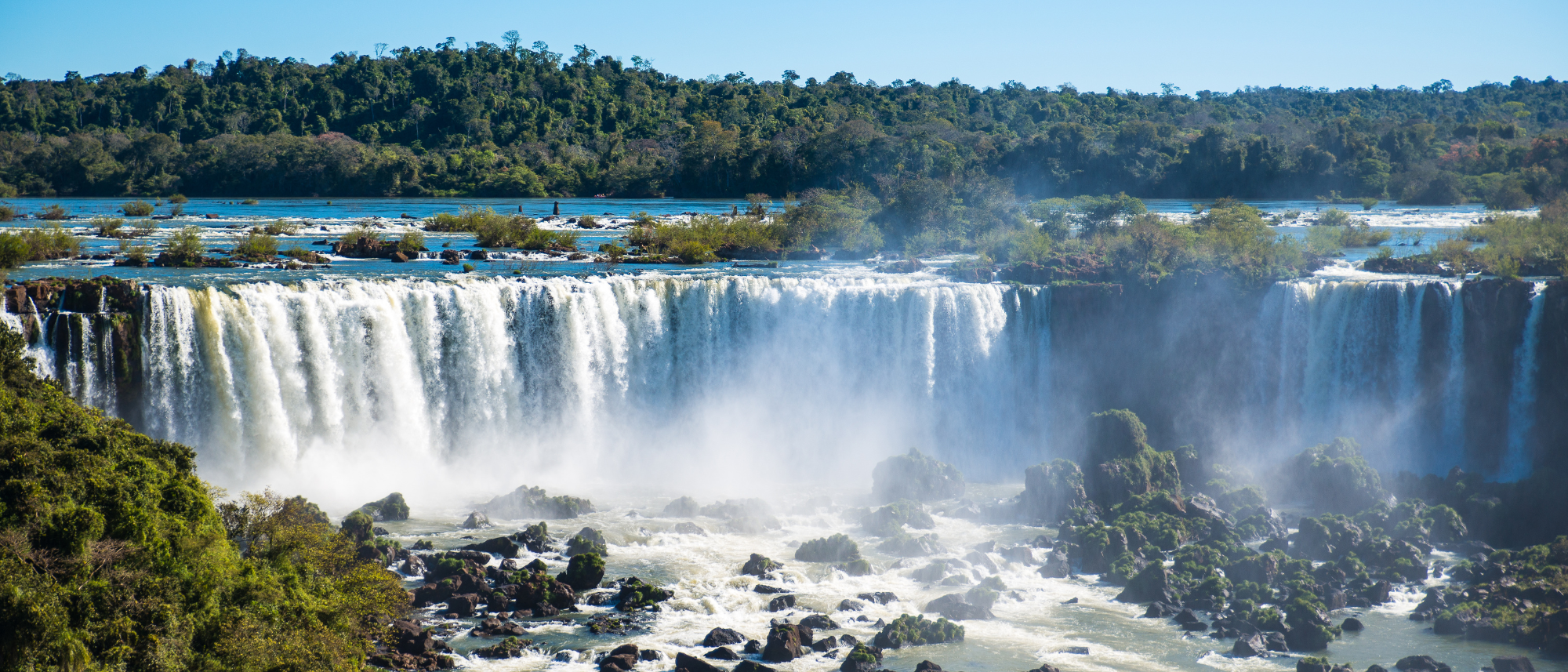 | Northeast Argentina: Iberá Marshes, Iguazu Falls & Atlantic Rainforest BirdingSeptember 16 - 28, 2027 |
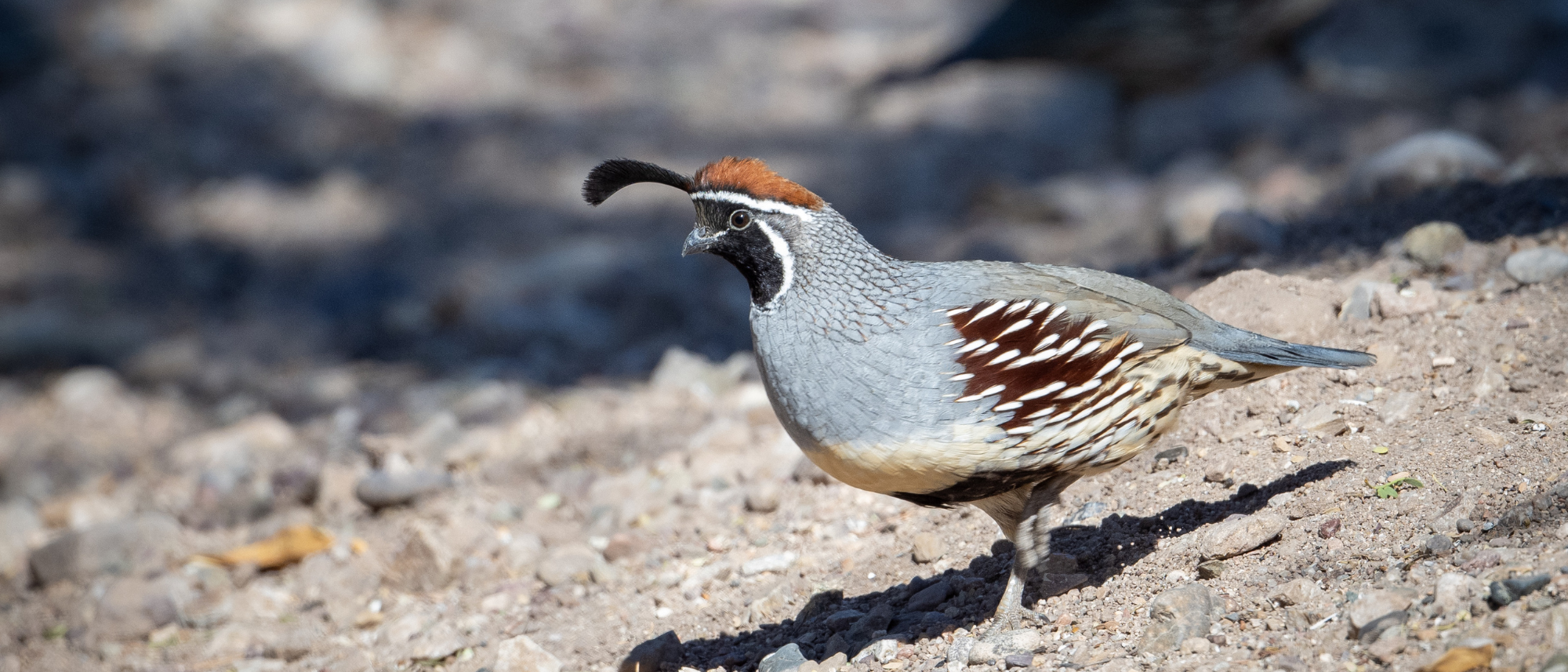 | Southeast Arizona: Sky Island Fall SamplerNovember 7 – 14, 2027 |
 | Costa Rica: Birding & Summer FunJuly 9 - 15, 2027 |
 | Arizona Monsoon Madness: Birding & Nature in a Season of Wonder!August 19 - 26, 2027 |
 | Svalbard: North Spitsbergen ExplorerJune 15 - 22, 2027A Summer Solstice Departure - FULL! See our 2028 cruise departures. |
 | Belize: Three Great LodgesApril 6 - 16, 2027 |
 | Trinidad & Tobago: Incredible Birds & WildlifeMarch 18 - 27, 2027 |
 | Arizona: Sky Island Winter Birding BlitzFebruary 20 - 26, 2027 |
 | Oaxaca Valley: Birds, Culture & CraftsDecember 1 - 9, 2026FULL - See our 2027 departures! |


Cost of the Journey
Cost of the journey is per person, based on occupancy: $4590 DBL / $5150 SGL, from San José, Costa Rica. This cost includes all accommodations, meals as specified in the itinerary, professional guide services, other park and program entrance fees and miscellaneous program expenses.
NEW! All tips other than your NJ guide (optional) and local guide are included (this includes tips for your driver, lodge and staff, day activities, meals and other services).
Tour cost does not include: round-trip transportation from your home city to San José, optional activities, or items of a personal nature such as laundry or beverages from the bar.
Travel Details
Please plan to make air travel plans only after the minimum group size has been met. We will send you a confirmation email as soon as the trip has been confirmed.
Arrival and Departure Airport: Juan Santamaria International Airport (SJO) in San Jose
Arrival Details: Plan to arrive December 22, no later than 5:00 PM if you wish to join the group for dinner
Departure Details: Plan flight departures on December 29, after 12:00 PM
Travel Tips: If you arrive early to rest up from your travels, we can book extra nights for you with a transfer to our hotel, the Hotel Bougainvillea, which is in a residential area of the city. If you prefer to stay downtown and see the city, we have a few hotel recommendations below. If you choose to stay downtown, you’ll need to arrange a taxi or driver with the hotel to return to the airport for pickup or go out to the Bougainvillea to enjoy its gardens on the tour start date. There are many things to see in San Jose if you’re up for exploring! If you enjoy museums, you’re in luck because some of the best in Costa Rica are located right in San Jose. The Museo Nacional de Costa Rica has exhibits highlighting the archaeology and history of Costa Rica as well as a butterfly garden. The Pre-Columbian Gold Museum has one of the largest collections of gold artifacts in Latin America, some of which date back to 500 CE. If you’re looking to do some shopping or try some local food, head over to the Mercado Central (Central Market). You’ll find vendors selling fruits and vegetables, local food dishes, and a wide variety of souvenirs.
Downtown Hotel Recommendations: Hotel Presidente Hotel Grano de Oro
Entry Requirements: See “Essential Information” section under the “Know Before You Go” tab.
Frequently Asked Questions
This information is important for being prepared for your journey; we want you to have the best experience possible. If you only read one section, this one is key!
Ahead of Your Tour
- Make sure you have a passport that is in good condition and at a minimum is valid from the date of entry through your scheduled return to the U.S. However, to allow for unexpected delays in return travel, we highly suggest at least 3 months validity beyond the date of your scheduled return to the U.S. See "Passports, Visas & Documentation" section below for more information.
- No visas are required for U.S. citizens for stays of this length. If you are from another country, please contact the Embassy of Costa Rica’s website for guidelines.
- Please check current CDC recommendations for travel to Costa Rica and consult with your doctor about general travel vaccinations you should have as precaution for travel. See the “General Health and Inoculations” section below.
- Travel insurance in case of serious medical emergency is strongly recommended. Full health coverage and repatriation is available through Allianz Travel Insurance.
- Soft sided luggage/duffel bags are easiest for packing the vans. Pack essential medications in your carry-on luggage, as well as one day of clothing and optics in case of luggage delay.
Passports, Visas & Documents
Guidelines and regulations can change. It is always advisable to double-check the country’s documentation requirements 60-90 days ahead of traveling. Information for U.S. citizens can be found at https://travel.state.gov/content/travel/en/international-travel/International-Travel-Country-Information-Pages/CostaRica.html. If you are from another country, please contact the tour destination’s embassy website for guidelines.
Passport: At the time of writing, U.S. citizens must have a passport that is in good condition and at minimum is valid at the date of entry through your scheduled return to the U.S. However, we highly suggest at least 3 months validity beyond the date of your scheduled return to the U.S. to allow for unexpected delays in return travel. Please check that expiration date! You should have at least one blank page per entry stamp. The blank pages need to say “Visas” at the top. Pages marked “Amendments and Endorsements” will not be accepted.
Visa: At the time of writing, a tourist visa is not required of US citizens for stays of this length. However, you will need proof of a return ticket. The necessary documents will be distributed by your airline while in flight or provided for you upon arrival. We advise that you bring your eContact list of hotels for use at immigration as well.
As a precaution for lost or misplaced documents you carry on your person during travel, we highly recommend you keep electronic backup copies on your phone (either photo or PDF scan), as well as a copy left with your emergency contact at home. The recommended important documents to copy include, but are not limited to; your passport ID page, travel visa, the front and back of your credit card(s), the airline barcode on your luggage. This will greatly expedite getting new ones if necessary – we hope everyone will always keep travel documents close so that losing them will not be an issue.
General Health & Inoculations Information - Be Prepared!
Health requirements for entry to any country can change. It is always advisable to double-check the country’s health requirements and recommendations 60-90 days ahead of traveling. A helpful website for planning is the Centers for Disease Control and Prevention (CDC) webpage for Costa Rica or by phone (800) CDC-INFO or (800) 232-4636.
We will share your health information with your guide. This information will be kept confidential but is very important as we want to be best prepared in case of medical emergency.
Mosquito and tick-borne illness: Travelers should reduce their risk of mosquito and/or tick borne diseases (including yellow fever, malaria, dengue fever, zika, Japanese encephalitis, etc.) by protecting themselves from bites using protective clothing, insect repellant (containing DEET, Picaridin, OLE, etc.) and prophylactics where applicable. Check the CDC and with your doctor to see whether your trip destination is currently at risk for malaria transmission and whether you should consider anti-malarial medication. For repellent permeated clothing, see Packing List for our recommendations. See the “CDC Yellow Book: Health Information for International Travel” website for more information: https://wwwnc.cdc.gov/travel/page/yellowbook-home.
Vaccinations: Please bring your up-to-date vaccination records with you. The CDC recommends that all travelers be up to date with routine vaccines and basic travel vaccines (such as Hepatitis A and Typhoid, etc.). The CDC will also have updated information regarding recent disease outbreaks, such as Malaria or other mosquito or tick-borne diseases, as well as extra precautions to take depending on the area(s) you will be traveling through. Consult with your doctor for recommendations at least 4- 6 weeks before departing on your trip as some vaccines may require more than one dose and time to become effective.
Yellow Fever: If you are traveling from or through (including airport stop-overs) a country with risk for viral transmission of yellow fever on the way to Costa Rica, you must present a yellow fever vaccination certificate to enter the country (see countries with risk of yellow fever virus (YFV) transmission). If that is the case, but your physician says you should not get a required vaccination due to age, then bring a signed physician’s letter on their professional letterhead saying you are in good health, but they do not recommend that you get the vaccine due to age.
Prescriptions: It is a good idea to pack any meds you take regularly in your carry-on luggage. Bring an extra pair of glasses or contact lenses. Bring an adequate supply of any prescription medications you use, a copy of the prescription and a list of generic names of your medicines as “back-up” in case it is necessary to purchase drugs while abroad. You’ll want to keep medications in their original, labeled containers.
Allergies: To be prepared for environmental triggers to allergies or breathing difficulties, please bring your allergy and/or asthma medication(s). If you have severe allergies talk to your doctor about carrying an EPI pen and notify your guides. It is also recommended to carry with you an up-to-date record of known allergies, chronic medical problems and Medic Alerts so that, if necessary, emergency treatment can be carried out without endangering your health.
Common Ailments: We recommend that you bring a travel-sized first aid kit and a supply of standard over-the-counter medications for prevention or treatment of common ailments (such as diarrhea, constipation, stomach upset, cough, congestion, head or body aches, motion sickness, insect bites and sunburn); as well as ointments, moisturizer, sunscreen, oral rehydration salts, band-aids, moleskin for blisters, cotton swabs, nail clippers, and tweezers, etc.
Altitude Illness: According to the CDC's website, day trips to high-elevation destinations less than 8000 ft. with an evening return to a lower elevation are much less stressful on the body, depending on the time provided for your body to adjust. However, overnights at higher altitudes may have more adverse effects on your body and you should be informed about altitude illness and Acute Mountain Sickness (AMS) (see CDC's information for Altitude Illness). The most general symptoms are headache and occasionally fatigue and dizziness. You’ll want to take it easy, particularly at first. The likelihood of these symptoms can be reduced by resting, drinking plenty of water, avoiding alcohol, and taking aspirin. In addition, we will optimize acclimatization by adjusting itineraries to avoid going “too high too fast." If you have worries about the altitude, ask your physician about medications (such as Diamox) that may be right for you.
Weather & Climate
Lush rainforests, and tropical dry forests occur here due to the hot, humid climate and it’s just a part of the experience. In lower elevation areas it will be hot. Mountain environments and areas around San José are cooler. In general, the weather during your stay should be warm to hot (75-85 °F) in the lowlands, cooler in the mountains' - daytime 60’s-70’s °F and early morning and night 40’s-50’s°F. Weather can be unpredictable.
Annoyances & Hazards
Always listen carefully to any advice given by your local guide regarding pests and other biting insects or reptiles you may encounter.
Mosquito and tick borne illness: Travelers should reduce their risk of mosquito and/or tick borne diseases (including yellow fever, malaria, dengue fever, zika, Japanese encephalitis, etc.) by protecting themselves from bites using protective clothing, insect repellant (containing DEET, Picaridin, OLE, etc.) and prophylactics where applicable. For repellent permeated clothing, see Packing List for our recommendations. See the “CDC Yellow Book: Health Information for International Travel” website for more information: https://wwwnc.cdc.gov/travel/page/yellowbook-home.
Chiggers are a part of lowland and mid-elevation habitats. You may encounter them at grassland or farm locations. Your guide should have a good read on chiggers if it has been wet enough that they are active. Spray your shoes with repellent, and tuck your pants into your socks . When back, be sure to shower and air out your clothing.
Remember the sun is strong, so be prepared with proper protection.
Food & Drinks
Menus at lodges and restaurants are varied, sustainably based on the wonderful local ingredients available, and delightfully prepared in a sanitary environment. As with any case when traveling we urge you to consider what your body is used to before you eat something. Trust your common sense when consuming food and beverages. This is the best way to avoid any unwanted problems. Ask for referrals from your hotel or a guidebook such as Frommers.
In major towns and cities (like Belize City, San Ignacio, and Placencia), municipal tap water is treated and generally meets basic safety standards, but many travelers and locals still choose bottled or purified water due to old local plumbing, mineral hardness, or sulfur smells. In remote areas or smaller villages, tap water from wells or rain cisterns may not be safe. Therefore, bottled water will be available for field trips and drinking water is provided for you to refill a bottle.
While bottled water will be available for field trips, we intentionally strive to reduce our consumption of single use plastics (such as bottled water), so we appreciate you bringing a reusable water bottle. Purified drinking water will be made available to refill your bottle, but just in case it’s not immediately on hand, there are also some reusable water filtering bottles on the market today that are great for travels abroad. We encourage you to invest in one (such as Lifestraw or GRAYL Ultrapress or SteriPen).
Packing, Clothing & Laundry
In summary, we emphasize that you pack light in soft-sided luggage (easier to load in vans and charter planes), plan for dressing comfortably in layers (for managing varying conditions in any given day), and please pack your personal medication, travel documents, optics, and other essential items in your CARRY-ON, not in your checked luggage. Be prepared to hand launder if you need to in a pinch. See “Packing List” tab for more detailed information and checklists.
Spending Money
The official currency of Costa Rica is the colón (CRC). For the current exchange rate, please refer to an online converter tool like www.xe.com, or your bank. The U.S. dollar is also frequently accepted by businesses in Costa Rica. You’ll want to bring small denominations of U.S. dollars ($1, $5, $10, $20) in good condition (crisp and unsoiled with no rips or tears). We advise you carry a mix of different types of payments, such as cash, an ATM card, and a credit card.
Since U.S. dollars are widely accepted, there is no need to exchange currency before your trip. You will want to exchange a small amount of money once you’re in Costa Rica to have local currency for situations that may require it. Local vendors, particularly for crafts, and smaller food establishments, only take local currency. You will be able to change money after your arrival at ATMs, banks, or hotels. ATM machines are available in San José, and in larger cities, but not as readily as they are in the US. The ATM will give you local money and your bank will convert that into U.S. Dollars. Many banks charge a fee of $1 - $5 each time you use a foreign ATM. Others may charge you a percentage of the amount you withdraw. Check with your bank before departure. You must become familiar with how to use your ATM card and PIN number ahead of the journey.
Many people ask how much money to plan to bring for spending money. Part of that depends on how much you want to shop. Typical items people purchase include: local souvenirs, handicrafts and T-shirts, drinks before or with dinner and natural history books. We recommend having at least $400 USD with you and the ability to get more through an ATM if needed. If you have no ATM access, we recommend $600 with some tucked away safely, just in case!
Credit cards are commonly accepted throughout Costa Rica. We suggest you have more than one card available, if possible. You may want to bring more than one brand of card (one Visa, and one MasterCard; American Express is less accepted). At some lodges you can keep a drink tab and pay with credit card upon checkout. Not every shop will accept every card. Some smaller shops and restaurants require cash, so it is always a good idea to ask before making a purchase. Also, we recommend that you advise your bank or credit card company that you will be traveling to Costa Rica to avoid questions, card freezes, or charges. If you have a choice of cards, bring one with no foreign exchange fees.
Traveler’s checks are not widely accepted. They can be difficult to exchange. We do not advise you use them.
Gratuities
We hope that you will be pleased with all professional services offered on this tour. All tips for all services of your tour are now included in your tour price, with the exception of your main guides. The local guide is your main guide - if there is more than one, they will share your gratuity. The recommended rate is $10.00 - $15.00 per day per guest. You may also wish to tip your Naturalist Journeys guide/host if you have one on your tour - this should be done separately and the same suggested rate applies. We suggest you bring two envelopes or cards to make it easy to share your gratuity at the end of the tour. If you are on an extension, that may be a different local guide for those days.
Tipping to your guide(s) to show your appreciation is entirely at your discretion and should reflect your level of satisfaction with the service provided. If you wish to offer a tip, know that they appreciate anything you care to give. Of course, you are welcome to give more in recognition of exceptional service.
Please note recommended tips are quoted in U.S. dollars. Tips should be converted and paid in local currency.
Donations to Locals
You may wish to bring small gifts for local people that you meet and enjoy (this is totally optional!). T-shirts, school supplies like pens and small notebooks, inexpensive watches and baseball caps are always popular. Your guides can pass along school supplies to a local school if you bring them. They also love any nature books/coloring books.
Cell Phones & Internet Service
Your guide is well connected and can help if any urgent communication need arises. However, it is highly recommended that you travel with a cell phone, if only as a precaution for the unfortunate occurrence of a medical emergency during an outing and needing swift accessibility to critical personal or medical contacts.
Please check with your wireless provider to see if your phone and service will work in your destination country. Options include activating international roaming, purchasing a local SIM card at the airport (newer phones may not accept SIM cards), or simply turning off cellular service and relying on Wi-Fi to make calls and access the internet. If your phone can connect to Wi-Fi, you may be able to make voice and video calls free of charge. Another option if you have access to Wi-Fi is to use smartphone apps like Skype, WhatsApp, or Viber to send text messages, and make voice calls, or video calls. Many smartphones, tablets, or laptops come with one of these apps pre-installed or you can download for free.
Your hotels and most local restaurants provide Wi-Fi at least in their common areas. Although it is generally a reliable service, it can be affected by adverse weather conditions due to the remote location.
Make sure if you do NOT want to use your cell phone that you turn off your cellular data. You could incur huge charges if you are not on Wi-Fi. Putting your phone in airplane mode if you mainly use it for photos will save the battery as well.
Please refrain from taking or making cell phone calls in the vehicles when traveling with other passengers, unless it appears to be an emergency. This disrupts other guests, plan on cell phone call use on your own time.
Electricity
The standard in Costa Rica is the same as in the United States: 110-120 volts AC (60 cycles). Plugs are set up in the same style. However, three-pronged outlets can be scarce, so it's helpful to bring along an adapter for a two-prong outlet. If your appliances plug has a different shape, you may need a plug adapter. For more information: www.power-plugs-sockets.com/costa-rica
Time
Costa Rica is on the same time as our Central Zone in the US. Check www.timeanddate.com before leaving home for your conversion.
Questions?
Please contact Naturalist Journeys by email at clientservices@naturalistjourneys.com or telephone our office: (866) 900-1146 if you have any questions. Many thanks for traveling with us and we hope you enjoy your journey!
Pace of the Tour & What to Expect
You will receive a Schedule-at-a-Glance and list of hotels (our eContact List) a few weeks before your departure. This will serve as an outline for each day and alert you to any recent changes made in the schedule or to our hotels, if needed.
Our journeys are set up to follow the rhythm of nature. Our focus is on birding and nature; we offer full, well-planned field days and often get up early for that magical time around dawn. We generally follow the published itinerary, but we stay flexible to the weather, wildlife opportunities and the interests of the group. Your guide will keep you apprised of the next day’s schedule at each evening meal, noting what to bring and what to prepare for. Questions and/or concerns are welcome.
The pace of our Naturalist Journeys tours is moderate; to fully participate you should be able to get in and out of vehicles several times a day, and walk 1-3 miles over uneven terrain. It is important to participate with a flexible attitude as adjustments may be made in our schedule to make the most of our time in the field or for other purposes at your guide's discretion. We are not a “listing” bird company that drills down on target species, but at times we do wait for those special species unique to the places we visit. During the day, we take time to stop for photos and for educational opportunities to learn about conservation projects, landscapes, and geology. We appreciate other taxa as well as birds, with mammals often the biggest draw but plants and butterflies are also very popular. Our clients often lend their own expertise to the mix.
We like to make meals a fun and memorable part of the experience, too. Breakfasts are often at hotels, and we carry snacks, fruit, and water in the vans each day. Lunches are a mix of picnics in the field (weather dependent) and a chance to dine with locals at small cafes and restaurants. For dinner, we pride ourselves in our homework to keep up with the best choices for dining, choosing restaurants with atmosphere that specialize in local foods. On occasion we keep dinner simple to go back out in the field for sunset wildlife viewing or night walks. In some remote locations, our choices are limited. If you are tired, room service for dinner may be an option you can choose.
Naturalist Journeys International Trips: Guide Role
Naturalist Journeys supports ecotourism and the development of excellent local guides. Once we know our international partners and guides well, we can send out small groups working directly with these trusted partners, adding a Naturalist Journeys guide to assist the local expert when we have a group of 6-7 or more. This helps us keep your costs down while retaining tour quality. The local guide is your main guide. You can expect your Naturalist Journeys guide to be well-researched and often they are experienced in the destination, but their role is not to be primary, it is to help to organize logistics, help you find birds, mammals, and interesting other species in the field, keep reports, help facilitate group interactions, and to keep the trip within Naturalist Journeys' style. Local guides live in the countries we travel to, know the destinations intimately, and are often the strongest force for conservation in their countries. They open many doors for us to have a rich experience.
Smoking
Smoking is not permitted in any vehicle or in any situation where the group is participating in an activity together, such as a vehicle excursion or a guided walk. Please respect all designated smoking areas at hotels and restaurants.
Transportation
As a courtesy to each other, we ask that all travelers please rotate seating. On international trips we may all be in one small bus, on some trips we are in vans, particularly the roomy Sprinter Vans when available. Some areas require us to be in smaller 4-wheel drive or safari vehicles. Rotation allows you to sit with different drivers and alternate front and back seating.
Photo Release & Sharing
We take many group photos and will share photos with the group. And after your tour, we will organize a chance to share photos via Dropbox or Google Photos. Please note that this is our policy and if you prefer to be excluded, we need to know ahead of your tour.
By registering for this tour, you agree to grant to Naturalist Journeys and its authorized representatives’ permission to record on photography film and/or video, pictures of my participation in the tour. You further agree that any or all of the material photographed may be used, in any form, as part of any future publications, brochure, or other printed materials used to promote Naturalist Journeys, and further that such use shall be without payment of fees, royalties, special credit or other compensation.
Travel Insurance
You are traveling in remote areas. Naturalist Journeys strongly recommends you have full medical and evacuation insurance from a company such as Allianz, for all international travel. If you do not have medical coverage or evacuation coverage on your existing travel insurance policy or for some reason elected not to take that out, we advise getting an evacuation plan with Global Rescue, World Nomads, Medjet, Allianz (they can do evacuation only) or a similar company. These plans are typically $300-$400 for a year for multiple destinations. This coverage may be a part of a larger Travel Insurance policy but can also be purchased on its own.
Questions?
Please contact Naturalist Journeys by email at clientservices@naturalistjourneys.com or telephone our office: (866) 900-1146 if you have any questions. Many thanks for traveling with us and we hope you enjoy your journey.
Please Pack Light!
Luggage: Soft-sided luggage is much easier for us to pack in vehicles or charter aircraft than a more rigid hard sided piece, so if you have the choice, please use your soft-sided luggage. Be sure to have your name and address on the inside of the bag, as well as on the luggage tag on the handle. It is our hope that you can pack in one checked bag that does not exceed 45 pounds. Please reconfirm your airline’s baggage weight and size restrictions about a week or so before departure.
Delayed Luggage: Imagine NOT getting your checked bags upon arrival! Therefore, DO NOT pack any essential medications, vital optics (binoculars, camera, eye-glasses), or essential travel documents in your checked luggage! Pack these and other essential items in your carry-on bag and on your person (i.e. under-garment pouch). You will want a day pack for field trips, so this makes an ideal carry-on. Another suggested tip is to travel wearing your most important shoes for the field and have one day’s clothing change (including a change of underwear!).
Weather: Pack clothing that is appropriate for the anticipated temperatures and conditions (See “Weather & Climate” section in Essential Information). You may check your favorite weather website, such as www.weather.com, closer to your departure to better predict what the weather will be upon arrival. You may also visit https://www.climatestotravel.com for more regional information by month.
Dress: Plan to dress comfortably and informal throughout the trip. Dressing in lightweight layers is the best way to provide options to get you through a day of varying weather and temperatures comfortably. Lightweight long sleeve shirts and long pants make ideal field clothing as they are more protective from sun, vegetation and pests. Also, choose clothing you don’t mind getting dirty or muddy and things that are loose-fitting, comfortable, and easy to layer and launder. Quick-dry fabrics are ideal. A lightweight and waterproof outer layer is essential as well as comfortable hiking footwear. Fabrics like fleece, as well as rain gear, will protect you from rain and wind and keep you warm. It is important to have a warm jacket when the tour includes cooler temps and/or higher elevations.
Laundry: Several of our lodges and camps provide laundry service. Consider packing laundry soap sheets in case you need to hand launder in a pinch.
Treating your clothing to better protect you from insects: It is possible to purchase Permethrin spray (online or from REI) to treat your field clothing and socks before your departure. Another approach is to purchase field clothing permeated with insect repellent such as the Craghoppers Insect Shield collection.
Note on clothing colors: We recommend muted colors of tan, brown, khaki, grey or green, as they are spotted less easily than white or bright colors, though camouflage clothing is not recommended.
Valuables: WE DO NOT RECOMMEND TRAVELING WITH PRECIOUS OR VALUABLE JEWELRY – don’t tempt anyone and don’t bring things you’d regret losing, and your mind will be at ease!
Clothing and Gear
- Lightweight long pants, 2-3 pair
- Lightweight long-sleeved shirts – 2 or 3
- Shorts (optional, not generally recommended)
- T-shirts or equivalent (1 per day or every other day recommended – Remember that you may be buying some there anyway!)
- Long-sleeve shirt for layering or cooler days when at higher elevation
- Personal underclothing
- Socks – lightweight and easy to wash and dry
- Comfortable but sturdy walking/hiking shoes such as tennis shoes and lightweight hiking boots. Please note that forest trails will be on uneven terrain and may be muddy – bring shoes with good support and firm grip tread
- Walking stick – we find that many travelers appreciate a walking stick on trails, sporting goods stores carry collapsible models that pack easily in your suitcase (optional)
- Sandals for evenings, travel days and for wearing on boats (optional, Teva style are great)
- Lightweight raincoat or poncho
- Lightweight jacket, fleece fabric is ideal, very important as it can be cool in the mountains
- Light gloves, hat and scarf for mountains
- Comfortable clothes for evening (a cleaner version of your field clothes or a skirt, sun dress, etc.)
- Bathing suit (optional)
- Hat with broad brim
- Bandanna (optional, great for cooling off when you are hot and sweaty. They even make them with a gel inside for several hours of cooling)
- Field vest (optional), a great source is Big Pockets
Equipment and Miscellaneous
- E-ticket verification
- Passport, visa (if required), travel insurance info, money & credit cards.
- A secure pouch to carry the items above on your person (such as a secure, under-clothing document pouch)
- As a backup: copies of all the above (phone and/or paper) packed in a separate location than on your person, plus a set given to your emergency contact at home as a backup. For passport, copy of the ID and entry stamp pages.
- Small day pack or fanny pack for carrying your field gear
- Cell phone and charger
- Binoculars
- Spotting scope and tripod (optional, guide will have them also)
- Camera and extra batteries/charger, film/memory cards, lens cleaning supplies and your instruction manual (optional)
- Umbrella, compact and not brightly colored (this is great when it rains, you can continue using your binoculars!)
- Small flashlight with fresh batteries. Please note that if you like to read at night, lighting in other countries is often poor in the rooms, and you may want to bring a book light, headlamp, or flashlight for this purpose
- Alarm clock, or use your cell phone
- Sunscreen/lip balm with SPF
- Sunglasses with neck strap
- Insect repellent (something containing 20% or more DEET, and sulfur powder or other for chiggers – check garden section)
- Toilet articles
- Reusable water bottle
- Notebook or journal and pen (optional)
- Spanish phrase dictionary (optional)
- Field guides (optional)
- Sink plug (often not available, a flat universal one is easiest to use)
- Washcloth (again, available some places and not at others)
- Laundry soap if you plan to do hand washing (consider the convenience of laundry soap "sheets" that pack flat)
- Earplugs – in urban and even rural areas barking dogs and traffic noise can be annoying. In general Costa Rica is noisier than the US
- Rechargeable power bank (optional)
- A collapsible airplane footrest (such as an inflatable, foldable, or hammock type) may help make longer flights more comfortable. Some airlines may have restrictions, so confirm with your airline which types are allowed and where they may be not allowed, i.e. bulkhead or exit rows (optional)
Medical and First Aid Supplies
- Health insurance
- Vaccination records
- Personal Rx medications (in their original labeled prescription packaging)
- Extra pair of eyeglasses or contacts (with plenty of wetting and cleaning solution)
- Copy of eyeglass prescription, medical prescriptions, and any medical alerts
- Epi-pen if needed for allergic reactions (include prescription label)
- Altitude illness meds (such as Diamox) if likely to be needed
- Common ailments: We recommend that you bring a travel-sized first aid kit and a supply of standard over-the-counter medications for prevention or treatment of common ailments (such as diarrhea, constipation, stomach upset, cough, congestion, head or body aches, motion sickness, insect bites and sunburn); as well as ointments, moisturizer, sunscreen, oral rehydration salts, band-aids, moleskin for blisters, cotton swabs, nail clippers, and tweezers, etc.
- Comfort remedies: Foot powder, lotions, etc.
- Hand sanitizer and/or hygienic cleansing wipes
- For Malaria risk areas Anti-malarial prophylactics and antibiotic prescription in case of infection, prescribed by your physician
There are many titles of interest for Costa Rica; the following are a few that we have enjoyed that can get you started.
Top Picks
Birds of Costa Rica by Dale Dyer and Steven N. G. Howell
The Birds of Costa Rica, A Field Guide by Richard Garrigues (Author), Robert Dean (Illustrator)
Merlin App – Costa Rica Pack. A phone-based birding app from Cornell University Laboratory of Ornithology. Before departing the U.S., download the app for free, then from within the app, download the “pack” for Costa Rica.
General Reading
A Naturalist’s Guide to the Tropics
Costa Rica: A Journey through Nature
Nature of the Rainforest: Costa Rica and Beyond
Costa Rica: The Complete Guide: Ecotourism in Costa Rica
Costa Rica’s National Parks and Preserves, a Visitor’s Guide
A Guide to the Birds of Costa Rica (1989 - indepth reference)
Field Guides
The Wildlife of Costa Rica: A Field Guide
Field Guide to the Wildlife of Costa Rica
Neotropical Rainforest Mammals: A Field Guide
A Field Guide to the Mammals of Central America and Southeast Mexico
Collin’s Guide to Tropical Plants
Butterflies of the Golfo Dulce Region, Costa Rica. Free PDF
Wildlife & Nature
Nature Travel Guide: Birds and Mammals of Costa Rica
Birds of Tropical America: A Watcher's Introduction to Behavior, Breeding, and Diversity
Monkeys Are Made of Chocolate: Exotica and Unseen Costa Rica
Traveler’s Wildlife Guide Costa Rica
Natural History
The Mammals of Costa Rica: A Natural History and Field Guide
The High Frontier: Exploring the Tropical Rainforest Canopy
History & Culture
Chilies to Chocolate: Foods the Americas Gave the World
The Ticos: Culture and Social Change in Costa Rica
Costa Rica: The Last Country Gods Made
There is a good selection of books available for sale at visitors’ centers, and your guide will also have a selection of reference books and materials for participants to share. As an Amazon Associate, Naturalist Journeys earns from qualifying purchases, and may get commissions for purchases made through links on this page at no added cost to you.
General
Nature, Wildlife & Biology
Bird checklist - eBird (You may also search lodge websites for lodge checklists)
“Birding in Costa Rica at Paraíso de Quetzales”– Nice blog entry
Animals and Plants Unique to Costa Rica
Conservation, Parks & Reserves
Conservation in Costa Rica - Wikipedia
Conservation International - Costa Rica
La Selva Research Station - Organization for Tropical Studies
The World Bank Feature Article – “Costa Rica’s Forest Conservation Pays Off”
History & Culture
Helpful Travel Websites
U. S. National Passport Information Center
U.S. Customs and Border Protection (CBP)
Transportation Security Administration (TSA)
U.S. Department of State International Travel Information – Costa Rica
Centers for Disease Control and Prevention (CDC) – Costa Rica
Canada Travel Advice and Advisories – Costa Rica
Other Trips You May Like

FULL - See our Pacific Coast tour!

FULL - See our April departure!
FULL - See our March departure!