
June 10 – 16, 2027
-
$4590 DBL / $5290 SGL
-
Yellowstone International (BZN) in Bozeman, Montana
-
Yellowstone International (BZN) in Bozeman, Montana
-
Mostly Perched
One of our more restful trips, requiring less walking than an average birding tour!
Experience Yellowstone in its very most vibrant season. In the mountains, early June is spring, the time when birds are at their peak of song as they court and nest and the hooved mammals bear their young. The peak of Elk calving occurs the second week of June; our trip is timed to ensure seeing the park’s iconic predators: Black and Grizzly Bears, Gray Wolf, Red Fox, Coyote, and Badger.
In early June few places match Yellowstone National Park’s Lamar Valley for viewing the dynamics of large predators and their prey. Snow in the high country keeps herds of Elk and Deer in the valleys. Predators—particularly bears and wolves—take advantage of this, often in numbers that create real pressure between species. At the same time, prey species are raising young, which are abundant and a joy to see.
We dial in on wildlife viewing in the dawn and dusk hours, while mid-day we offer excursions to the interior of Yellowstone to explore the geyser basins, Hayden Valley, and the dramatic Upper and Lower Falls of the Yellowstone River. Our route to and from Bozeman lets us see some of North America’s finest mountain scenery following the Yellowstone River through Paradise Valley. Western birds are active with song throughout our days, busy in the long-daylight hours of their short nesting season.
Highlights
- Experience the American West with fun meals, grand scenery, and wildlife
- Travel up the Madison River where Elk herds congregate with young, a verdant and bird-rich corridor entering the park from West Yellowstone
- Watch for Osprey and Bald Eagle on nests
- Enjoy the steam of Yellowstone’s iconic geysers and marvel at myriad, colorful thermal features
- See the brilliant colors of male Harlequin Duck as they feed in cascading rapids of Hayden Valley
- Take in the arresting beauty of Yellowstone Falls and the antics of American Dipper nesting nearby
- Find Mountain Bluebird and Red-naped and Williamson’s Sapsuckers at their nest holes, and possibly Ruffed or Dusky Grouse as they display
- Watch hundreds of Elk with their calves in the Lamar Valley, spot Mountain Goat and Bighorn Sheep young
- Witness hunting by the park’s great predators, Black and Grizzly Bears, and coming and going from their den sites, Gray Wolves
- Watch as Lazuli Bunting throw their heads back in song and Green-tailed Towhee bring food for their young
Trip Itinerary
Itineraries are guidelines; variations in itinerary may occur to account for weather, road conditions, closures, etc. and to maximize your experience.
Thurs., June 10 Bozeman/Gardiner, Montana | Northern Gateway to Yellowstone
Welcome to Montana! Please arrive in Bozeman no later than 2:00 PM today; afterwards we drive over a mountain pass to Livingston, and then turn south along the Yellowstone River to the northern gateway of Yellowstone National Park. Our drive is through lush agricultural and riparian areas surrounded by the Absaroka and Gallatin mountains. This is classic Big Sky scenery. We are likely to spot raptors, sandhill crane and trumpeter swan. We stop at a few places along the way and arrive in Gardiner with time for you to settle into your room with fine views of the rushing Yellowstone River. Enjoy dinner tonight at a favorite local restaurant.
Accommodations at the Absaroka Lodge, Gardiner (D)
Fri., June 11 Wildlife Watching with a Wolf Expert | Lamar Valley
The early bird gets the wolf! This morning we spend time with a real expert from Wolf Tracker, one of the most respected guiding operations in the park. Wolf Tracker has a close relationship with the Yellowstone Wolf Project: a highly successful program that began in 1995 and reaches its 26 year milestone this year. Our Wolf Tracker guide accompanies us today with a picnic breakfast in the field, and a keen eye for all wildlife, but particularly wolves. While we aim to see wolves, we also have good chances for black and grizzly bears, elk, bison, pronghorn and so much more.
In the afternoon, we part ways with our Wolf Tracker guide and enjoy lunch in Mammoth Hot Springs. Afterwards, we take time to explore the terraces taking in the hydrothermal features by boardwalk.
Afterwards we take time to look around the small mountain town of Gardiner with its quaint shops and idyllic scenery. Dinner tonight is at another favorite local restaurant.
Accommodations at the Absaroka Lodge, Gardiner (B,L,D)
Sat., June 12 Swan Lake Flats | Grand Prismatic | Old Faithful Geyser Basin and Other Geyser Attractions
Today we head towards the interior of the park. Swan Lake Flats has several ponds that attract various species of waterfowl and of course, trumpeter swans. We then follow a lush river corridor past Madison Junction and onward to Grand Prismatic Spring where we meander the boardwalk taking in dazzling colors of the largest hot spring in the United States.
Afterwards we head to Old Faithful with its iconic lodge and thermal features. Bison graze in the meadows, Canada geese lounge on the shores of the Firehole River, and bald eagle or osprey may be present and fishing. A boardwalk trail winds through geysers, fumaroles, mud pots, and colorful hot springs passing many of the major thermal features for which the park is known. The river is a good place to watch for dippers, Barrow’s goldeneye, and, if we’re lucky, river otter.
We enjoy a picnic lunch on the deck of the historic Old Faithful Inn and perhaps an ice cream at one of the park stores, then return to Gardiner for dinner.
Accommodations at the Absaroka Lodge, Gardiner (B,L,D)
Sun., June 13 Hayden Valley | Dunraven Pass | Lamar Valley | Cooke City
We say goodbye to Gardiner and head to Yellowstone’s Northeast entrance. Crossing the vast open hills of Hayden Valley we stop for wolves, various waterfowl and muskrat in ponds along the way, making our way down to Lake Butte in search of grizzly bear. Afterwards we turn back towards the Hayden Valley for a stop at LeHardy Rapids to search for Harlequin ducks.
We are sure to visit the Grand Canyon of the Yellowstone with its dramatic Upper and Lower Falls, a scenic highlight for many. En route we may see active Peregrine falcon or osprey at their nest sites, fascinating to watch from above as they are found in the canyon below us. After a quick stop in Canyon Village for lunch, we venture over Dunraven Pass to Tower Fall with hopes for black bear. Then it’s onward to Lamar Valley and through to Cooke City, a small mountain town surrounded by wilderness and the gateway to Beartooth Pass. Tonight we enjoy dinner in Cooke City at one of two favorite local restaurants.
Accommodations at the Alpine Motel (B,L,D)
Mon., June 14 Slough Creek | Lamar Valley
This morning we grab an early breakfast and travel through the Lamar Valley to Slough Creek for wolves, bears, and birding. The tree-lined Slough Creek corridor gives us good sites for riparian species, Williamson’s and Red-naped sapsuckers, and a variety of western warblers. We also take time to look for show-stopping Calliope hummingbird, golden eagle and great horned owl.
Afterwards, we enjoy a picnic lunch and survey abundant wildlife of the Lamar Valley in search of wolves, black and grizzly bears, and all of the hoofed mammal species upon which they prey. At no time is the drama more intense— lush meadows keep the large herds down in the valley during their most vulnerable time: while they are birthing calves. The predators search the meadows, sagebrush flats, new-leafing aspen groves, and sheltered lodgepole pine forests for their prime targets, calves, as well as other prey.
We could have close looks at bison, mule deer, bighorn sheep, elk, and pronghorn, all of which should have young. With luck, we may see red foxes, badger and short-tailed weasel as well.
Accommodations at the Alpine Motel (B,L,D)
Tues., June 15 Beartooth Pass | Top of the World! | Lamar Valley
Today we head to higher elevations, weather permitting. After breakfast we head off for an extraordinary drive; one Charles Kuralt has called the most scenic in North America. Even in late May and June we may have walls of plowed snow near the upper reaches. If we can tear our eyes away from the stunning views of both the Beartooth and Absaroka Mountain ranges, we’re hopeful to see montane and alpine species such as Black- and Gray-crowned Rosy Finches, American Pipit, Horned Lark, Northern Goshawk, Clark’s Nutcracker, yellow-bellied marmot, pika, and other species. Rocky Mountain goat also can pepper the cliffs along our drive.
We descend through lush forests broken by meadows where we have good chances for moose with calves. The pointed peaks of Pilot and Index mark our arrival back to the mountain town of Cooke City, where we enjoy a rest and our lunch before a late afternoon in Lamar Valley to take in its kaleidoscope of wildlife for one last evening.
Over dinner we toast to our grand adventure and relive our favorite moments and species!
Accommodations at the Alpine Motel (B,L,D)
Wed., June 16 Departures from Bozeman
On our final morning we pack up and wander the grounds of our hotel, taking in the sunrise and mountainous views of Cooke City before a cozy breakfast in Silver Gate and one last drive through the park, then onward to Bozeman (about a 3 hour drive) for departing flights. (B)
Guide
Robert Petty
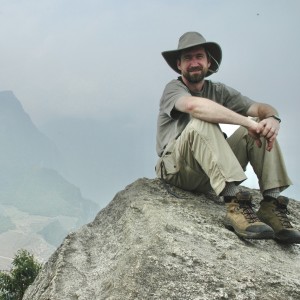
Robert has dedicated his life to conservation, natural history, education, and the arts. Over the course of his career, he worked to protect wildlife and preserve vital habitats, with much of his later work focused on the Greater Yellowstone Ecosystem. As U.S. Program Director for the Yellowstone to Yukon Conservation Initiative, Robert led efforts in large-landscape conservation, with a particular emphasis on safeguarding habitat for grizzly bears. He also served as Vice President of Education for Yellowstone Forever, the official nonprofit partner of Yellowstone National Park, where he helped expand public understanding of the park’s ecology.
Before his time in the Yellowstone region, Robert spent nearly two decades with the National Audubon Society. There, he held national leadership roles including Director of Bird-Friendly Communities and Director of Field Support for the Western United States. His conservation career began with The Nature Conservancy, where he led education programs in Montana’s Crown of the Continent ecosystem along the Front Range of the Rockies. In addition to his conservation work, Robert has a strong foundation in the arts. He earned a BFA from Washington University in St. Louis and an MFA in painting from the University of Montana. Early in his career, he worked as a scientific illustrator in the University of Montana’s Division of Biological Sciences, contributing to numerous books and scientific publications. In 2010, he was honored as the featured artist for International Migratory Bird Day.
Robert is a co-founder of the Montana Natural History Center in Missoula and has served on the boards of several conservation and education organizations, including the Montana Environmental Education Association, Friends of the Lee Metcalf National Wildlife Refuge, and the Northern Rockies Heritage Center. An experienced naturalist guide, Robert has led tours across the U.S., Mexico, and South America, with destinations including coastal Oaxaca, Machu Picchu, and the Galápagos Islands. He now lives in the Bitterroot Valley of western Montana, where he enjoys woodworking, canoeing, hiking, birdwatching, and restoring his land with native plants.
Other trips with Robert Petty
 | Yellowstone in The FallSeptember 18 - 24, 2027 |
 | Brazil’s Pantanal: Jaguars! And More…October 11 - 21, 2027, w/Amazônia extensionFULL - See our 2028 departures! |
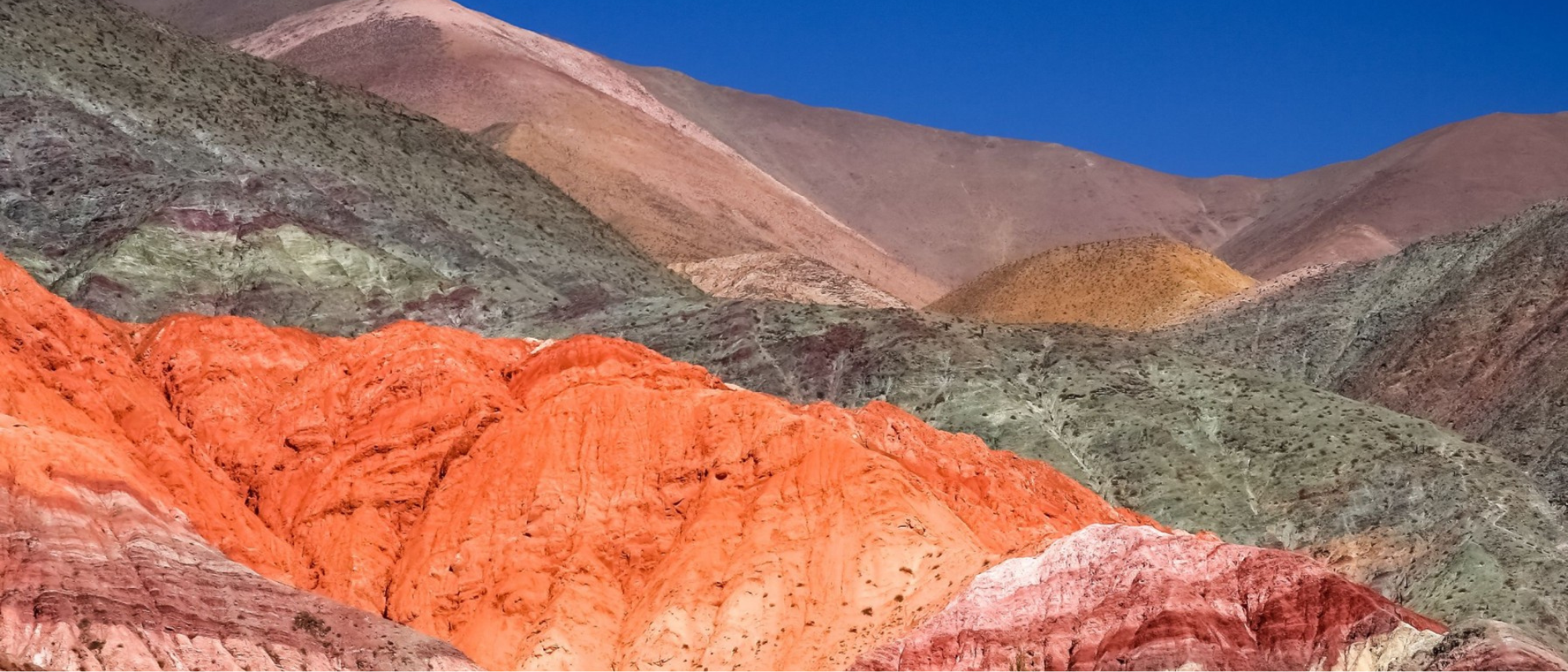 | Northwest ArgentinaMarch 3 - 16, 2027, w/Iguazu Falls extension |
 | Guyana: Unspoiled WildernessFebruary 11 - 22, 2027Closed. Please see our November 2027 tour. |
 | South Texas Birding & NatureJanuary 20 - 28, 2027 |
Patrick Maurice
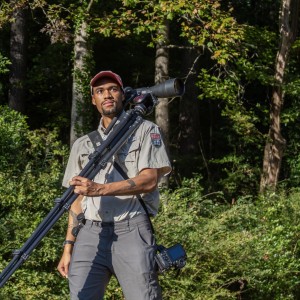
Patrick Maurice was born and raised in Atlanta, Georgia and graduated from the University of Georgia with a Wildlife Science degree in 2021. Patrick is a lifelong birder, thanks to his mother, and has birded extensively across the United States and around the world. He regularly guides for birding festivals such as The Biggest Week in American Birding, Georgia Birdfest, and the Southeast Arizona Birding Festival. He is intimately familiar with Georgia’s diverse ecoregions and birdlife and has spent countless hours birding across the state. When he isn’t traveling or guiding, Patrick can be found back home in Athens, Georgia, playing soccer, cheering on the Dawgs, or enjoying a refreshing sour beer.
Other trips with Patrick Maurice
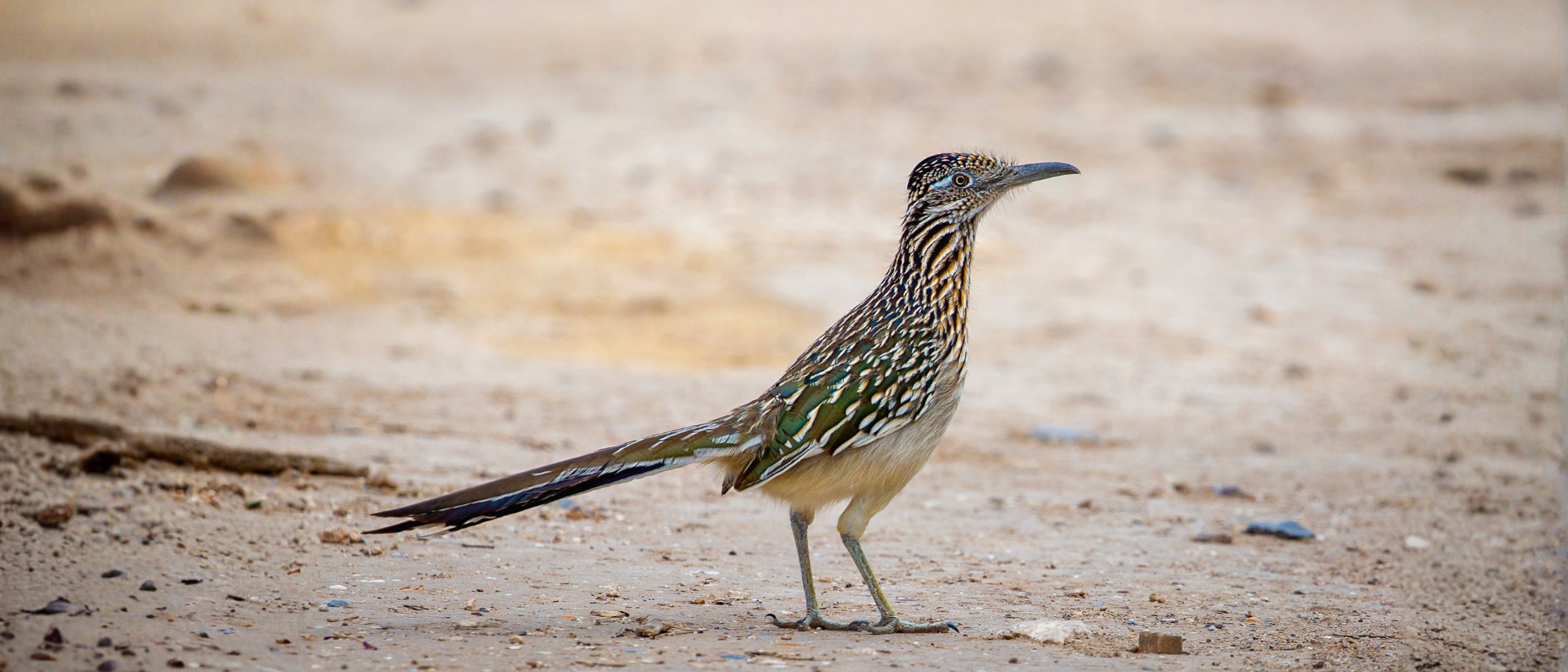 | Arizona: New Year’s Birding BlitzDecember 29, 2027 - January 4, 2028 |
 | Ecuador: Biodiversity Across the Andes!November 3 - 16, 2027*This tour is limited to just 8 participants.* |
 | Jewels of Brazil’s Atlantic ForestOctober 10 - 21, 2027 |
 | Arizona Monsoon Madness: Birding & Nature in a Season of Wonder!August 11 - 18, 2027 |
 | A Week at Belize’s Black Rock LodgeJuly 18 - 24, 2027 |
 | Yellowstone: Birds, Bears & WildlifeMay 27 - June 2, 2027 |
 | Ohio: The Biggest Week in BirdingMay 12 - 19, 2027 |
 | Florida’s Winter WondersFebruary 9 - 16, 2027FULL! |
| South Texas Birding & NatureJanuary 20 - 28, 2027 |


Cost of the Journey
The cost of the journey is per person based on occupancy: $4590 DBL / $5290 SGL, from Bozeman, MT.
This cost includes: Accommodations for 6 nights, all meals as specified in the itinerary (B=breakfast, L=lunch, D=dinner), airport welcome and transfer, land transportation during the journey, professional guide services, park and other entrance fees, and miscellaneous program expenses.
This cost does NOT include: Round-trip airfare to and from Bozeman, items of a personal nature such as laundry, telephone, drinks from the bar, and gratuities for luggage handling or personal services.
Travel Details
Please plan to make air travel plans only after the minimum group size has been met. We will send you a confirmation email as soon as the trip has been confirmed.
Arrival and Departure Airport: Yellowstone International (BZN) in Bozeman, Montana
Arrival Details: Please plan flights to arrive June 10, 2027, no later than 2:00 PM
Departure Details: Please plan flights to depart June 16, 2027, after 1:00 PM
Departure Details: Travel Tips: If you arrive early, Bozeman is a scenic and fun town to explore. The Museum of the Rockies is an excellent introduction to natural and cultural history. The downtown area is trendy with western-themed shops and restaurants, very walkable. The airport is 10 miles from downtown so depending on your interests, you may want to choose a hotel that offers shuttle service to town, choose a downtown hotel, or rent a car. Taxis and Uber are readily available, too. You will either need to return to the airport by 2:00 PM or be at the Best Western GranTree Inn by 2:30 PM on June 11.
Hotel Recommendations: : Just want to rest up and have the option to take a hotel shuttle downtown? We can pick you up at this hotel: Best Western Plus GranTree Inn (406) 587-5261
If you prefer to stay adjacent to the airport, we recommend: Holiday Inn Express & Suites Belgrade (406) 388-7100 Do you want to splurge a bit and stay right in the downtown area? We recommend: Kimpton Armory Hotel Bozeman(406) 551-7700 or the Element Bozeman (406) 582-4972.
Frequently Asked Questions
This information is important for being prepared for your journey; we want you to have the best experience possible. If you only read one section, this one is key!
Ahead of Your Tour
- Please talk with your doctor about general health needs. It is a good idea to consult with your doctor about general vaccinations recommended for travel.
- Please plan to make air travel plans only after the minimum group size has been met. We will send you a confirmation email as soon as the trip has been confirmed. After you make travel reservations, please send a copy of your travel itinerary to the Naturalist Journeys office at clientservices@naturalistjourneys.com.
- Travel insurance in case of serious medical emergency is recommended. Full health coverage and repatriation is available through Allianz Travel Insurance.
- Soft sided luggage/duffel bags are easiest for packing the vans. Remember to pack essential medications in your carry-on luggage, as well as one day of clothing and optics in case of luggage delay.
- Real ID is required as of May 2025 for U.S. citizens on domestic flights who are not carrying a valid passport.
Health Information
We will share a copy of your health and emergency contact information with your guide. This information will be kept confidential but is very important in case of a medical emergency. In addition to bringing any prescription medications with you, we recommend that you have a copy of the prescriptions in case of loss.
Pace of the Tour & What to Expect
You will receive a Schedule-at-a-Glance and list of hotels (our eContact List) a few weeks before your departure. This will serve as an outline for each day and alert you to any recent changes made in the schedule or to our hotels, if needed.
Our journeys are set up to follow the rhythm of nature. Our focus is on birding and nature; we offer full, well-planned field days and often get up early for that magical time around dawn. We generally follow the published itinerary, but we stay flexible to the weather, wildlife opportunities and the interests of the group. Your guide will keep you apprised of the next day’s schedule at each evening meal, noting what to bring and what to prepare for. Questions and/or concerns are welcome.
The pace of our Naturalist Journeys tours is moderate; to fully participate you should be able to get in and out of vehicles several times a day, and walk 1-3 miles over uneven terrain. It is important to participate with a flexible attitude as adjustments may be made in our schedule to make the most of our time in the field or for other purposes at your guide's discretion. We are not a “listing” bird company that drills down on target species, but at times we do wait for those special species unique to the places we visit. During the day, we take time to stop for photos and for educational opportunities to learn about conservation projects, landscapes, and geology. We appreciate other taxa as well as birds, with mammals often the biggest draw but plants and butterflies are also very popular. Our clients often lend their own expertise to the mix.
We like to make meals a fun and memorable part of the experience, too. Breakfasts are often at hotels, and we carry snacks, fruit, and water in the vans each day. Lunches are a mix of picnics in the field (weather dependent) and a chance to dine with locals at small cafes and restaurants. For dinner, we pride ourselves in our homework to keep up with the best choices for dining, choosing restaurants with atmosphere that specialize in local foods. On occasion we keep dinner simple to go back out in the field for sunset wildlife viewing or night walks. In some remote locations, our choices are limited. If you are tired, room service for dinner may be an option you can choose.
Food & Drink
We carry water and juices/cold drinks in the cooler each day, and sodas if people like them. Please also plan on bringing and filling your water bottle for hiking each day. We try to use as few plastics as possible!
Packing, Clothing & Laundry
Soft sided luggage/duffel bags are easiest for packing the vans. Please pack essential medications in your carry-on luggage, as well as one day of clothing and optics in case of luggage delay.
Dress is informal and is casual even at restaurants. Layering is a great way to stay comfortable. Protective clothing is essential, whether it be from sun, rain, cold, insects, or vegetation. You need closed toe shoes, and wear comfortable walking shoes with good tread. Hiking boots with good support for hiking and on rocky terrain can work well.
Many of our accommodations provide a laundry service for a fee. However, consider packing laundry soap sheets in case you need to hand launder in a pinch.
Spending Money
Many people ask how much to plan to bring as spending money. Part of that depends on how much you want to shop. Most shops will take VISA and MasterCard or American Express. Typical items people purchase include local souvenirs and T-shirts, caps, and natural history books. You may want to bring cash for drinks with dinner (if available) or smaller local purchases.
Gratuities
Expect the normal tipping protocol to apply for hotel maids and bar service. If at the end of the tour, you would like to show your appreciation to your guides, tipping is entirely appropriate but at your discretion. We hope that you will be pleased with all professional services. Gratuities for group meals are included. For your birding tour guide, we suggest $10-$15 per day per guest. Note that if there is more than one guide, this amount can be split among them.
Cell Phones & Internet Service
Wi-Fi and cell phone service are available in most US destinations, although there are some exceptions in remote locations. Wi-Fi is generally provided in all hotels, lodges, and restaurants you visit, at least in public areas. Please refrain from taking or making cell phone calls in the vehicles when traveling with other passengers unless it appears to be an emergency as this disrupts other guests – please plan cell phone calls on your own time.
Smoking
Smoking is not permitted in any vehicle or in any situation where the group is participating in an activity together, such as a vehicle excursion or a guided walk. Please respect all designated smoking areas at hotels and restaurants.
Transportation
For this tour, your guides will drive travelers in either full-size or mini-vans or a combination of those two. We ask all attendees to please rotate your seating, so you ride with different drivers and alternate between front and back seats.
Photo Release & Sharing
We take many group photos and will share photos with the group. And after your tour, we will organize a chance to share photos via Dropbox or Google Photos. Please note that this is our policy and if you prefer to be excluded, we need to know ahead of your tour.
By registering for this tour, you agree to grant to Naturalist Journeys and its authorized representatives permission to record photos and/or video of your participation in the tour. You further agree that any or all of the material photographed may be used, in any form, as part of any future publications, brochures, or other printed materials used to promote Naturalist Journeys, and further that such use shall be without payment of fees, royalties, special credit or other compensation.
Questions?
Please contact Naturalist Journeys by email at clientservices@naturalistjourneys.com or telephone our office at (866) 900-1146 if you have any questions. Many thanks for traveling with us and we hope you enjoy your journey.
Weather & Climate
May in Yellowstone National Park is a transition month, featuring cold, unpredictable spring weather with lingering snow, high precipitation, and mild, sunny days - often mixed together. Temperatures typically range from 27-60°F, with freezing nights. Trails may remain snow-covered until mid-June, necessitating layers and waterproof gear.
In June, temperatures rise, with highs often reaching the 60s or 70s°F. However, early June can still bring cold, wet, or even snowy weather. Late June tends to be warmer and drier, though afternoon thunderstorms are frequent.
Regional temperatures vary widely due to elevation (6,000 ft to over 11,000 ft), with colder, snowier conditions at higher altitudes.
You may check your favorite weather website, like www.weather.com, closer to your departure to better predict what the weather will be upon arrival. See “Packing List” for recommendations for clothing and gear that is appropriate for the anticipated temperatures and conditions.
Please pack light!
Luggage: Soft-sided luggage is much easier for us to pack in vehicles or charter aircraft than a more rigid hard sided piece, so if you have the choice, please use your soft-sided luggage. Be sure to have your name and address on the inside of the bag, as well as on the luggage tag on the handle. It is our hope that you can pack in one checked bag that does not exceed 50 pounds. Please reconfirm your airline’s baggage weight and size restrictions about a week or so before departure.
Delayed Luggage: Imagine NOT getting your checked bags upon arrival! Therefore, DO NOT pack any essential medications, vital optics (binoculars, camera, eye-glasses), or essential travel documents in your checked luggage! Pack these and other essential items in your carry-on bag and on your person (i.e. under-garment pouch). You will want a day pack for field trips, so this makes an ideal carry-on. Another suggested tip is to travel wearing your most important shoes for the field and have one day’s clothing change (including a change of underwear!).
Weather: Pack clothing that is appropriate for the anticipated temperatures and conditions (See “Weather & Climate” section in Essential Information). You may check your favorite weather website, such as www.weather.com, closer to your departure to better predict what the weather will be upon arrival. You may also visit https://www.climatestotravel.com for more regional information by month.
Dress: Plan to dress comfortably and informal throughout the trip. Dressing in lightweight layers is the best way to provide options to get you through a day of varying weather and temperatures comfortably. Lightweight long sleeve shirts and long pants make ideal field clothing as they are more protective from sun, vegetation and pests. Also, choose clothing you don’t mind getting dirty or muddy and things that are loose-fitting, comfortable, and easy to layer and launder. Quick-dry fabrics are ideal. A lightweight and waterproof outer layer is essential as well as comfortable hiking footwear. It is important to have a warm jacket if the tour includes cooler temps and/or higher elevations.
Treating your clothing to better protect you from insects: It is possible to purchase Permethrin spray (online or from REI) to treat your field clothing and socks before your departure. Another approach is to purchase field clothing permeated with insect repellent such as the Craghoppers Insect Shield collection.
Note on clothing colors: We recommend muted colors of tan, brown, khaki, grey or green, as they are spotted less easily than white or bright colors, though camouflage clothing is not recommended.
Valuables: WE DO NOT RECOMMEND TRAVELING WITH PRECIOUS OR VALUABLE JEWELRY – don’t tempt anyone and don’t bring things you’d regret losing, and your mind will be at ease!
Clothing & Gear
- Lightweight long pants, 2-3 pairs
- Warmer pants (and/or long underwear if expecting extreme cold temps)
- Shorts (optional, weather permitting, generally not recommended in dense vegetation)
- Lightweight long sleeve shirts, 2-3 (can be layered over t-shirts for sunnier or even cooler days when at higher elevation)
- T-shirts or equivalent (remember you may be buying some there anyway)
- 1-2 Turtlenecks, or a good neck gaiter to layer with to keep your neck warm.
- Personal underclothing
- Socks, long enough to tuck in your pants – warm, lightweight and easy to wash and dry (Include heavier socks for colder climates)
- Comfortable walking shoes (such as tennis shoes)
- Lightweight hiking boots that can keep your feet dry – good tread and support is essential as some terrain may be uneven and/or muddy!
- Comfortable sandals or light shoes for evenings, travel days (For hikes, Teva type sandals for stream crossings are handy if weather is not too cool)
- Lightweight raincoat or poncho
- Windbreaker type jacket (can be same as above, used as a lightweight outer layer over layered clothing)
- Warm fleece/sweater/sweatshirt (for cooler evenings and layering on cooler days)
- Hat with broad brim
- Gloves, warm hat, scarf for cooler mornings and evenings
- Comfortable clothes for evening (a cleaner version of your field clothes is typical)
- Bathing suit (optional)
- Bandana (cloth or gel; great for cooling off when you are hot and sweaty, optional)
- Field vest (optional), a great source is Big Pockets
Equipment & Miscellaneous
- Photo identification (Real ID is required as of May 2025 for U.S. citizens on domestic flights who are not carrying a valid passport)
- Airline tickets or E-ticket verification
- Passport (and visa or other travel authorizations when traveling internationally) - Note: To avoid issues with confirming your identity when two forms of ID are required, the name on your Drivers License (or other secondary forms of ID) should match your passport.
- Travel insurance info
- Money & credit cards
- A secure pouch to carry the items above on your person at all times (such as a secure, under-clothing document pouch)
- As a backup: copies of all the above (phone and/or paper) packed in a separate location than on your person, plus a set given to your emergency contact at home as a backup. When carrying a passport, a copy of the ID and entry stamp pages.
- Small backpack, daypack or fanny pack for carrying your field gear (this can double as your carry-on!). Consider waterproof if excessive rain is expected.
- Cell phone and charger
- Binoculars
- Camera and charger/extra batteries, memory cards/film, lens cleaning supplies and instruction manual (optional)
- Spotting scope and tripod (optional – guide will have them)
- Tablet/laptop for personal use and/or transferring photos, USB stick, USB cord and charger (optional)
- Rechargeable power bank (optional)
- Electricity converters and adapters for 2-to-3 prong electronics plugs if needed (See "Electricity" under "Essential Information")
- Reusable water bottle to avoid the use of disposible plastics (*with filters such as Lifestraw and UV sterilization system such as SteriPen for destinations where tap water is deemed unsafe to drink - see "Food & Drink" section in Essential Information)
- Umbrella – compact and not brightly colored
- Walking stick – we find that many travelers appreciate a walking stick on trails, sporting goods stores carry collapsible models that pack easily in your suitcase (optional)
- Small flashlight with fresh batteries
- Alarm clock
- Travel Sewing Kit
- Sunscreen/lip balm
- Sunglasses with neck strap
- Toiletry articles
- Washcloth (available some places and not at others)
- Laundry soap (consider laundry soap "sheets" that pack flat, and are lightweight and environmentally friendly)
- Notebook or journal and pen (optional)
- Field guides (optional)
- Earplugs – in urban and even rural areas barking dogs and traffic noise can be annoying
- A collapsible airplane footrest (such as an inflatable, foldable, or hammock type) may help make longer flights more comfortable. Some airlines may have restrictions, so confirm with your airline which types are allowed and where they may be not allowed, i.e. bulkhead or exit rows (optional)
Medical & First Aid Items
- Health insurance
- Vaccination information (if traveling internationally)
- Personal Rx medications (in their original labeled prescription packaging)
- Epi-pen if needed for allergic reactions (include prescription label)
- Anti-malarial prophylactics and antibiotic prescription in case of infection, if recommended for this destination, prescribed by your physician
- Altitude illness meds (such as Diamox) if likely to be needed
- Motion sickness preventatives if likely to be needed on bus, van, boats, etc.
- Personal first aid kit and medications for general ailments, colds and stomach ailments, etc. (Imodium or Lomotil, antihistamine cream or tablets, eye drops, antibiotic ointment, Band-Aids, moleskin to protect against blisters, etc.)
- Foot powder, lotions, general “comfort” items
- Hydrocortisone cream to ease itching from insect bites
- Hand sanitizer and/or hygienic cleansing wipes
- Copy of eyeglass prescription, medical prescriptions, and any medical alerts
- Extra pair of eyeglasses or contacts (with plenty of wetting and cleaning solution)
There are many titles of interest for Yellowstone and the wolf reintroduction project there; the following are a few that we have enjoyed that can get you started.
Top Picks
Merlin App. A phone-based birding app from Cornell University Laboratory of Ornithology. You can download it here.
Field Guide to the Birds of Western North America
General Reading
Yellowstone, A Visitor’s Companion
A Guide to Exploring Grand Teton National Park
Fodor’s Compass American Guides: Yellowstone and Grand Teton National Parks
Yellowstone: The Official Guide to Touring America's First National Park
A Week in Yellowstone's Thorofare: A Journey Through the Remotest Place
Yellowstone: A Journey Through America's Wild Heart
Yellowstone Treasures: The Traveler’s Companion to the National Park
Field Guides
National Audubon Society Field Guide to Rocky Mountain States
Nature Guide to Yellowstone National Park
Finding the Birds of Jackson Hole: A Bird Finding Guide
A Field Guide to Hawks of North America
Wildlife & Nature
Yellowstone’s Birds: Diversity and Abundance in the World’s First National Park
Sagebrush Country: A Wildflower Sanctuary
Plants of Yellowstone and Grand Teton National Parks
A Field Guide to Butterflies of the Greater Yellowstone Ecosystem
Butterflies of Grand Teton & Yellowstone National Parks
Kaufman Field Guide to Butterflies of North America
Dragonflies and Damselflies of the West
Mammals of North America - Peterson Field Guide
Wolf Titles
Yellowstone Wolves: Science and Discovery in the World’s First National Park
The Alpha Wolves of Yellowstone 5-book series:
The Rise of Wolf 8, The Reign of Wolf 21, The Redemption of Wolf 302, The Alpha Female Wolf, and Thinking Like a Wolf: Lessons From the Yellowstone Packs
Yellowstone Wolves in the Wild
A Society of Wolves: National Parks and the Battle over the Wolf
Wolves: A Legend Returns to Yellowstone - National Geographic DVD
The Return of the Wolf to Yellowstone
Bears & Mammals of Yellowstone
A Field Guide to Mammal Tracking in North America
Natural History
Roadside Geology of Yellowstone Country
History & Culture
Roadside History of Yellowstone
Before Yellowstone: Native American Archaeology in the National Park
Empire of Shadows: The Epic Story of Yellowstone
Memoir/Non-Fiction
Yellowstone has Teeth: A Memoir of Living in Yellowstone
Wild Rescues: A Paramedic’s Extreme Adventures in Yosemite, Yellowstone and Grand Teton
Your guide will also have a selection of reference books and materials to share. As an Amazon Associate, Naturalist Journeys earns from qualifying purchases, and may get commissions for purchases made through links on this page at no added cost to you.
General
Nature, Wildlife & Biology
Grizzly Bear Recovery Program – Grizzly Bear Biology
Conservation, Parks & Reserves
National Park Service – Yellowstone
Yellowstone Forever Non-Profit – Protect, Preserve and Enhance Yellowstone
National Park Services Yellowstone National Park App
NOTE: Be sure to download the app before you arrive in Yellowstone as cell service and Wi-Fi are limited in the park
Red Rock Lakes National Wildlife Reserve
Geology & Geography
US Geological Society – Geology and History of Yellowstone
NPS Geodiversity Atlas – Yellowstone
Thermal Geyser Basins of Yellowstone - Overview
History & Culture
PBS Brief History of Yellowstone National Park
Historic and Associated Tribes of Yellowstone
Helpful Travel Websites
Other Trips You May Like

FULL!