

May 11 – 17, 2027
FULL – See our Ohio departures!
-
$3990 DBL / $4790 SGL
-
Philadelphia International Airport (PHL)
-
Philadelphia International Airport (PHL)
-
A Birder’s Pace
We walk at a birder’s pace, fewer than four miles a day, with breaks along the way.
Experience the ultimate spring bird migration at America’s quintessential beach town. Historic Cape May in May is considered one of the top birding destinations in North America to witness spring migration, especially for songbirds and shorebirds. Timed for peak diversity and quantity, we visit famous New Jersey birding locations and little-known local patches up and down the coast. These will include the Cape May Point State Park, the Nature Conservancy’s South Cape May Meadows, an active heron and ibis rookery, fresh and salt-water wetlands, and Delaware Bayshore beaches where horseshoe crabs spawn and whose eggs attract thousands of migrating shorebirds. We tour the world’s largest contiguous salt marsh by boat, bird the Edwin B. Forsythe National Wildlife Refuge and Belleplain State Forest, and participate in an evening horseshoe crab volunteer rescue program.
Cape May, NJ, the nation’s oldest seaside resort, is a national historic site and offers incredible examples of Victorian architecture and charm, as well as some of the best seafood on the east coast. Our lodgings for the entire week are at a classic beachside hotel in historic Cape May. A few mornings begin with optional sunrise beach walks in search of gulls, terns, shorebirds and beautiful Black Skimmers. Daily trips range from exploring the many examples of tidal salt marshes by boat and van, to visiting one of the most successful beach and dune restorations in the United States, a project led by the New Jersey Nature Conservancy.
It’s Cape May’s unique location, situated on a south facing peninsula where the Atlantic seaboard meets the Delaware Bay, that makes it a geographic migrant trap. Birds, both land and sea flyers, sometimes by the thousands, follow the coastline north and once they cross Delaware Bay find themselves in the forests, fields, salt marshes, and freshwater wetlands of Cape May; the perfect spot to stop and fuel up before heading to their breeding grounds. Far from the metro areas of central New Jersey, the Cape May peninsula is home to forests, farmland, wetland meadows, and salt marshes. We search for migrating eastern warblers and other neotropical migrants while we visit. We also spend time at the Cape May Point State Park, famous for its fall hawk watch and lighthouse, and visit its boardwalk trails and freshwater ponds. Large numbers of shorebirds are also in migration and they use the vast saltmarsh flats and beaches of Delaware Bay to feed on horseshoe crab eggs and invertebrates to refuel and rest.
Please keep in mind that weather, winds, and tides play an important role in the migration along the coast and while we visit all the great birding sites, we may rearrange activities accordingly.
Highlights
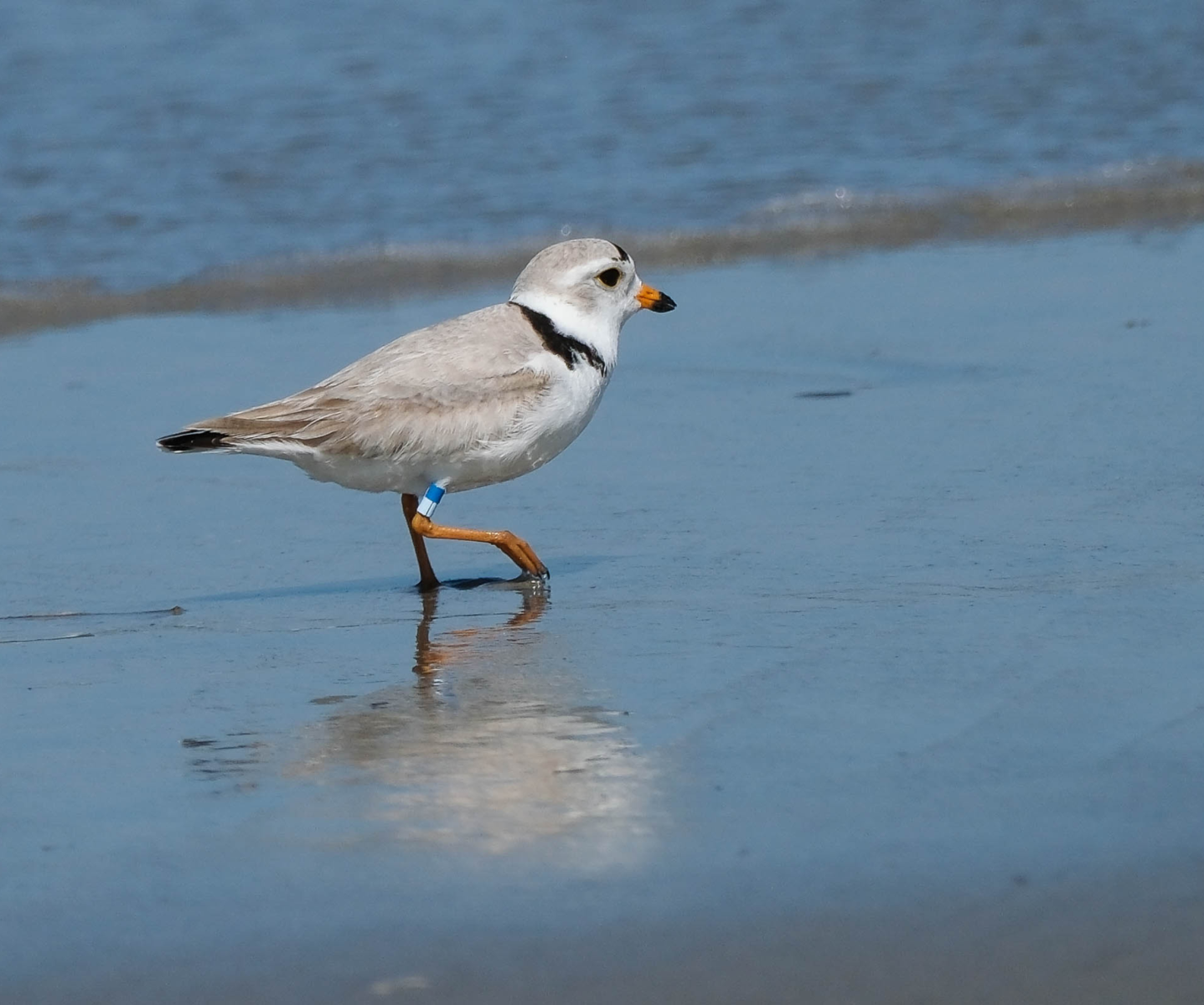
- Search for Least, Common, Forster’s, Royal, and Caspian Terns, Black Skimmers, and multiple shorebird and beach nesting species on our daily walks
- Take a short ride north on the Garden State Parkway to Ocean City to visit an active heron, egret, and ibis rookery
- Spend time at The Nature Conservancy’s South Cape May Meadows, one of the most successful beach and dune habitat restorations on the Atlantic seaboard
- Climb aboard for a salt marsh pontoon boat cruise as we search for migrating shorebirds, Clapper Rails, Saltmarsh Sparrows, dolphins, herons, and Eastern Diamondback Terrapins, America’s only saltwater marsh turtle
- Search for colorful spring plumage warblers and other neotropical songbirds as they cross Delaware Bay and arrive in Cape May to refuel and rest
- Explore Belleplain State Forest where Summer Tanagers and Yellow-throated Warblers are at the northern edge of their breeding range
- Visit Delaware Bayshore beach, where thousands of Red Knots, Semipalmated Sandpipers, Ruddy Turnstones, and other shorebirds and gulls feast on horseshoe crab eggs
- Learn about ongoing beach nesting bird conservation efforts in NJ from a Conserve Wildlife Foundation of NJ field biologist
- Join a “Return the Favor” volunteer program one evening to help save horseshoe crabs that have been flipped over by waves or impinged












Other Trips You May Like